Share article
The complete guide to building a cleaning schedule that works
Share article
A regular cleaning routine is one of the easiest ways to keep your home feeling fresh, without housework becoming overwhelming. Here’s how to build the perfect cleaning routine.


- New in


- New in

 Translation missing: en.accessibility.product_link
$90.00
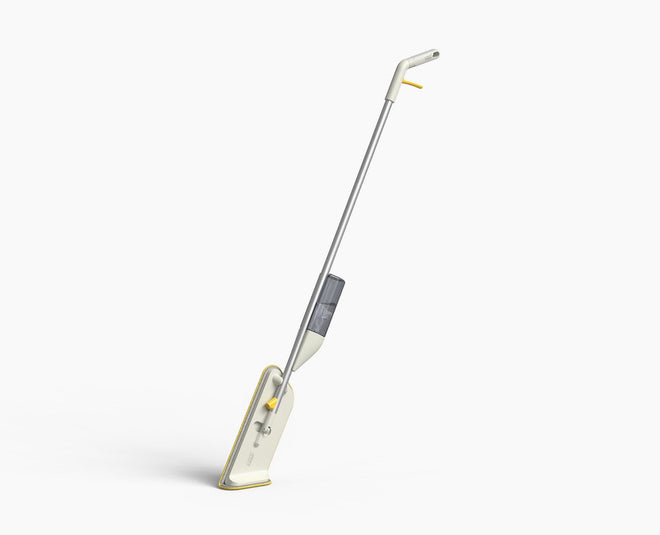
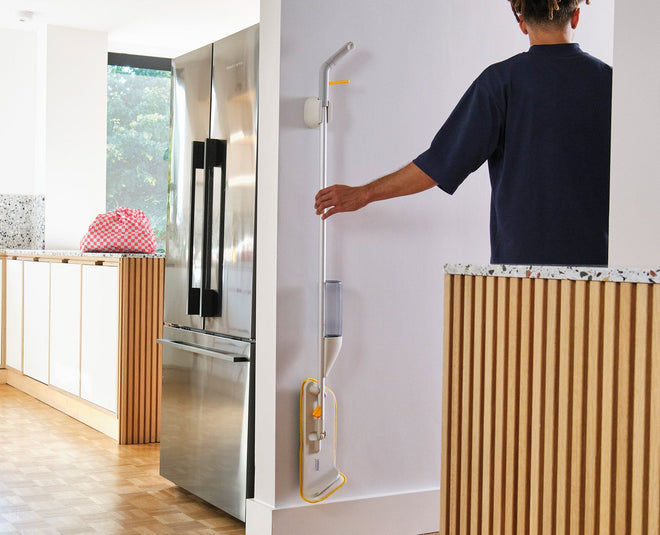
UltraClean Microfiber Floor Mop Cleaning System
- New in


- New in


Why a cleaning routine makes all the difference
Breaking tasks into manageable chunks and tackling them little and often ensures housework doesn’t become overwhelming. It stops jobs from piling up and means you can avoid spending entire weekends catching up on cleaning.
Keeping surfaces clutter-free, floors looking their best and bathrooms feeling fresh between cleans with a consistent cleaning rota is a great way to maintain your home. This approach means dirt and grime never have the chance to build up, meaning fewer intensive deep cleans and more time enjoying a home that feels clean, organised and under control.
How often should you clean your house?
The key is to find a cleaning schedule that fits your lifestyle, whether that’s a daily spruce-up of 30 minutes a day or a dedicated cleaning session each weekend. Some jobs are best done daily: like wiping down kitchen surfaces, washing up dishes and doing a quick sweep of high-traffic floors to avoid build up of mess. Other more time-consuming jobs can be done weekly, like bathrooms, vacuuming carpets and rugs, and mopping hard floors.
Once a month, it’s worth tackling high-level dusting, cleaning windows, and cleaning the inside of appliances, such as inside dishwashers and fridges, to keep them in good working order. The perfect routine will depend on how many children or pets you might have, so adjust your schedule to suit your lifestyle and space.


-


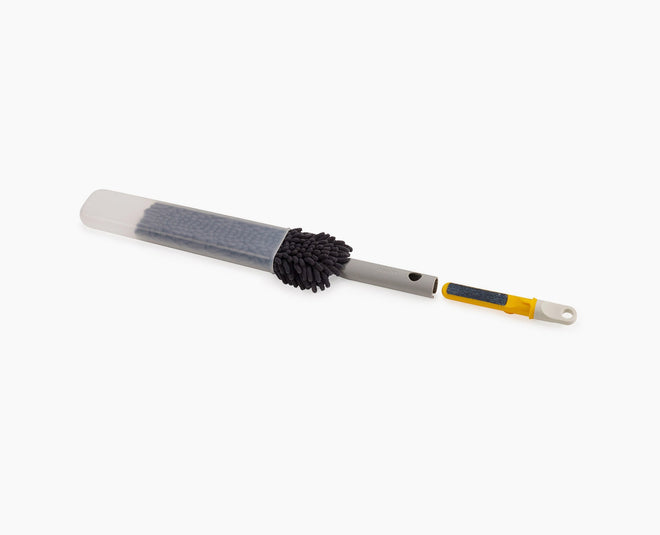
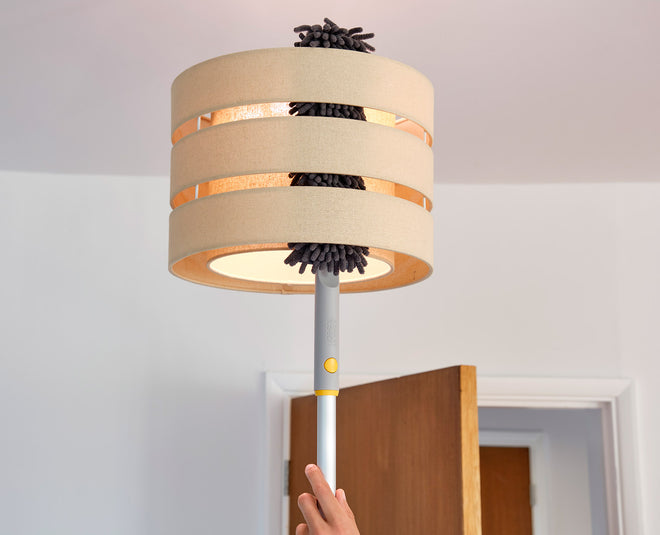
CleanTech™ Adjustable High Zone Duster
$30.00


-


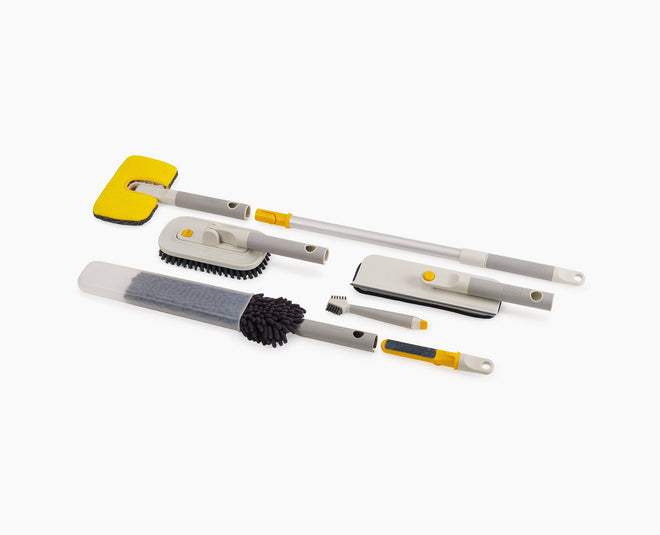
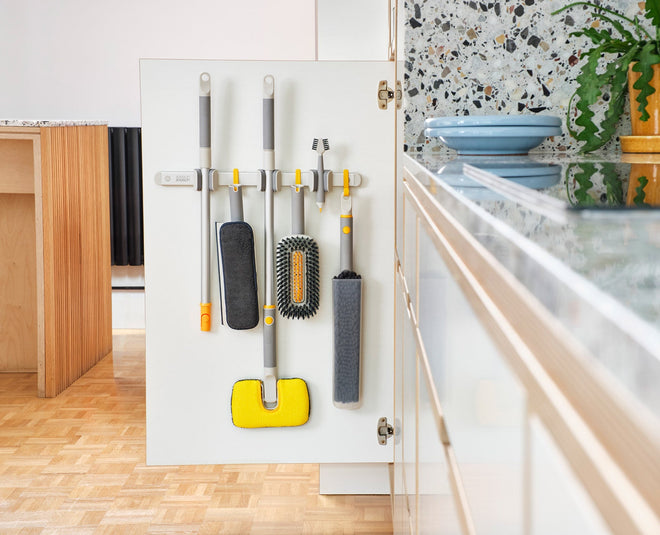
CleanTech™ Tool Set with Caddy Organizer
$70.00


How to build the perfect cleaning schedule
A comprehensive cleaning schedule is best with a step-by-step approach: list every task, assign a frequency to it (daily, weekly, monthly), then spread them across the week and month so no single day is overloaded. This helps tasks feel manageable and makes sure everything is covered, without taking over your life.
Your daily cleaning checklist
15–20 minutes is enough to stay on top of the essentials. The key is to take on quick, high-impact tasks such as wiping down kitchen surfaces, dealing with dishes after meals, giving the bathroom a quick wipe-down, tidying away clutter and sweeping high-traffic floors. Small habits like these will keep your home feeling clean, and reduce the need for bigger, more time-consuming sessions later on.
Your weekly cleaning routine
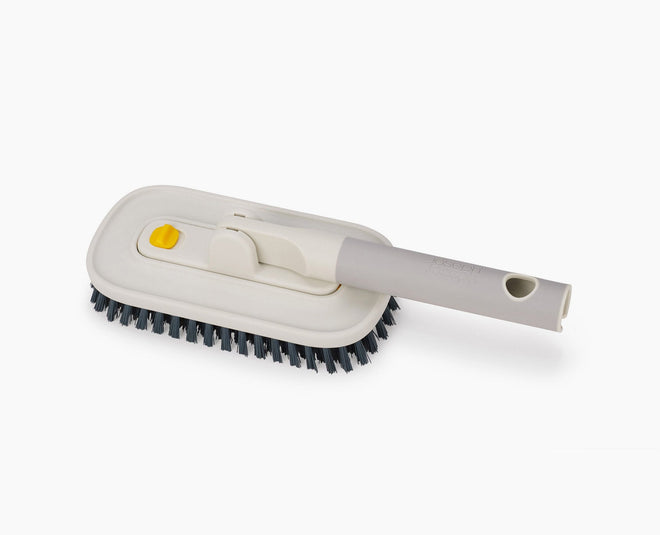
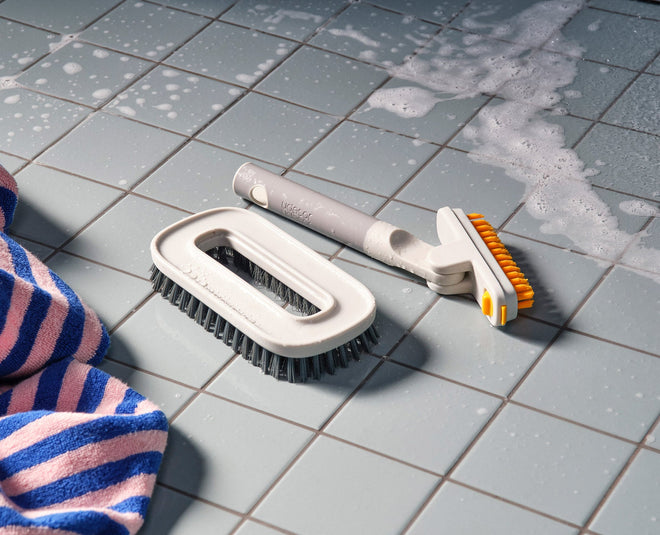
Weekly deeper cleaning tasks keep your home looking its best and prevent dirt from building up over time. A weekly schedule might include vacuuming of all rooms, mopping hard floors, and cleaning bathrooms thoroughly with a tile scrubber such as the CleanTech™ 2-Piece Tile Scrubber & Spot Cleaning Tool Set, changing bed linen, and dusting surfaces, shelves and other frequently used areas. Spreading these jobs across the week can make them feel more manageable and help you maintain a clean home without dedicating an entire day to housework.
Assigning specific tasks to specific days helps build habits that stick, such as:
- Monday - clean the bathrooms
- Wednesday - tackle floors
- Friday - dusting
- Saturday - wash and change bed linen
Before long, your weekly cleaning routine will become second nature, helping you stay organized and in control of household chores.


How to keep on top of cleaning with a busy schedule
When time is tight, here’s how to make cleaning easier: break the house cleaning checklist into micro-tasks spread across the week. Involve every household member in the cleaning rota (even little ones can get stuck in: kids love nothing more than feeling included). Keep tools accessible with a cleaning caddy such as the CleanTech™ Tool Set with Caddy Organiser, so there is no setup time. To consistently keep your house clean: pair tasks with existing habits (for instance wipe the bathroom down after your morning shower, sweep the kitchen after cooking). This makes cleaning automatic rather than a time-consuming add-on.
The 30-3 Rule for Cleaning
The 30-3 rule is a popular cleaning method which involves three separate 30-minute cleaning sessions spread across the day (morning, afternoon, evening). This 90 minutes of focused effort prevents tasks from piling up without requiring one long, dedicated block of time. This might look like: a morning session of tidying up (making of beds, wiping of surfaces, putting on of laundry), followed by an afternoon focused task (kitchen, bathroom or a specific room), followed by an evening wrap-up of unloading dishwashers, folding laundry and resetting for the next day.
Essential tools for an efficient cleaning routine
The right tools make a cleaning routing faster: think a broom and dustpan set for quick floor sweeps, a floor duster for daily dust pick up, and a cleaning caddy with a handle to help carry supplies from room-to-room. In bigger houses, you can even keep a stocked caddy on each floor with tools that align to the rooms on that floor, mounting them on a wall with a bracket in a utility cupboard. Removing setup time is key to keeping on top of housework longterm.


-


CleanTech™ Dustpan & Broom Sweep Set
$42.00


-


CleanTech™ Adjustable Floor Duster
$30.00


FAQs About Cleaning Routines
What is the best order in which to clean your house
The most efficient order in which to clean rooms is from top to bottom, as this means you’ll finish on the ground floor where mopping is usually more prevalent. It’s logical to begin with dry tasks, such as tidying and dusting, and then finish with wet tasks like mopping, scrubbing and window cleaning. Within each room, start high with shelves or ceiling corners using a long-reach duster like the CleanTech™ Adjustable High Zone Duster. This allows debris to fall the floor before you sweep or vacuum it up.
How to create a cleaning schedule that actually sticks?
It’s important to keep it realistic, a cleaning schedule only works if it fits your available time. Start small with the essentials, as you can always build up rather than creating an over-ambitious rota that can’t be maintained.
What is a good daily cleaning checklist?
Daily cleaning checklists should include:
- Making the bed
- Wiping down the bathroom
- Sweeping the kitchen floorWiping surfaces
- Doing the dishes or stacking the dishwasher
Keeping on top of these basics through bursts each day will keep your home in control and make the deeper cleaning tasks less daunting when it comes to it.
How to keep on top of cleaning with a full-time job?
Keeping on top of housework when you work full-time is a challenge, but it can be done if you adopt a clean-as-you-go philosophy (wipe surfaces after cooking, deal with spills immediately). 10-15 minutes each evening, with a weekly ‘power-hour’ dedicated to deeper tasks like floor cleaning and bathrooms is enough. Keeping tools accessible eliminates setup time and can be achieved with a handy cleaning caddy with a handle, stored in a key area. This also helps you tackle quick jobs on the spur of the moment, rather than putting things off.
Is a minimalist cleaning routine effective?
A minimalist cleaning routine focuses on doing a few essential tasks consistently. By staying on top of surfaces, clutter, floors and key living areas, you can prevent mess from building up and reduce the need for frequent deep cleans. The result is a home that feels tidy, manageable and easier to maintain every day.
The 30 minute cleaning routine
For really busy days, try speed cleaning. This might be a 30 minute cleaning burst, which works well for those who want to keep their home presentable, without dedicating hours. Set a timer, and focus on high-impact tasks like visible surfaces, floors, and bathroom wiping. Move through rooms without backtracking.


- New in
Translation missing: en.accessibility.product_link
$90.00
UltraClean Microfiber Floor Mop Cleaning System


Shop connected cleaning for every corner


$90.00
UltraClean Microfiber Floor Mop Cleaning System


$20.00
