Share article
Floor Cleaning Buying Guide
Share article
Your floors are the foundation of your home. In this guide we take you through all the equipment you need to get yours looking their best.


Keeping your floors clean should be a pleasure with the right tools. Below, we’ve brought together information about how to choose the right brooms, dustpans, and mop for you, so that you are always using the right equipment for your needs.
How to choose the right type of broom or mop for you
Brooms, dustpans and brushes
There are many different types of broom, from soft, medium and stiff bristled brooms to whisk brooms. You also need to consider the different broomstick types, and whether you’re after something lightweight, or that can be stored out-of-sight when not in use.
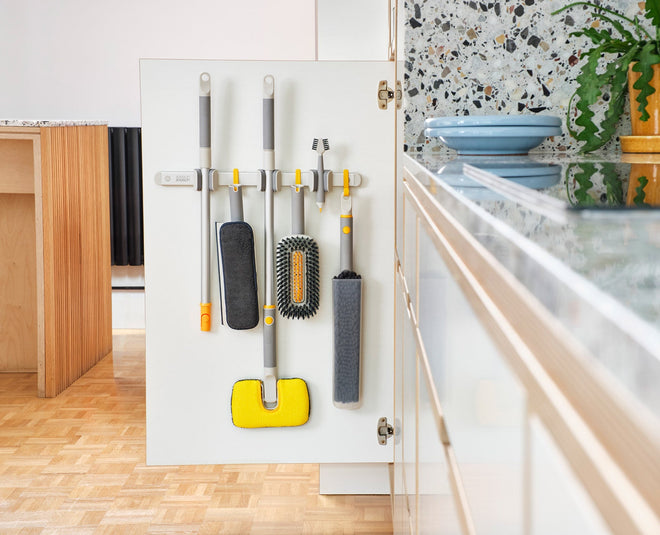
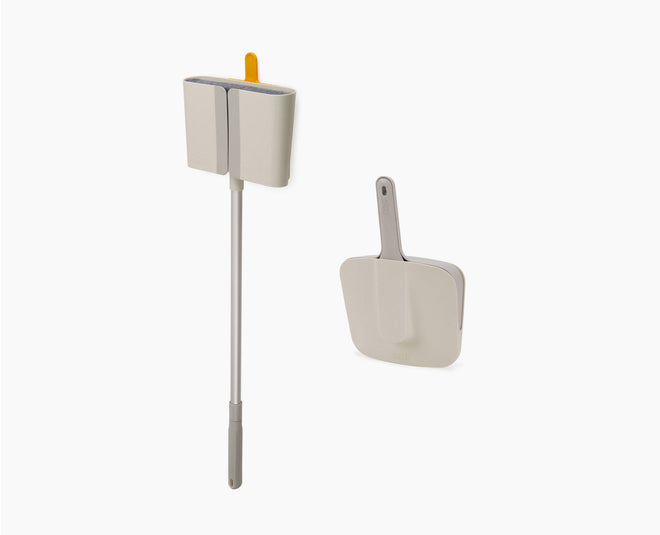
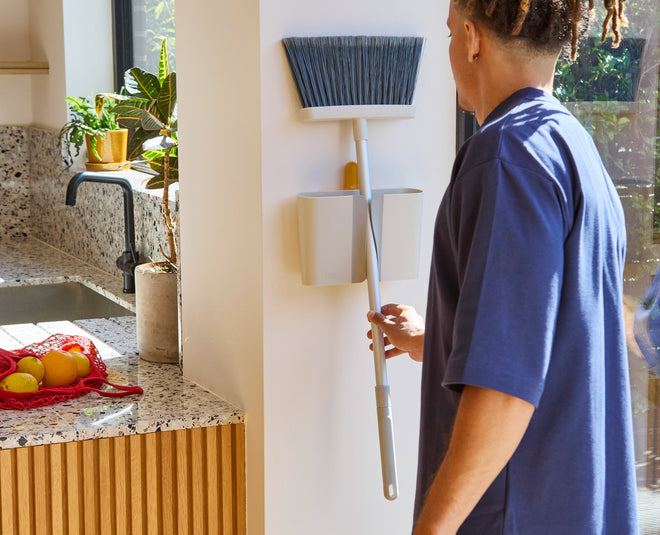
Dustpans and brushes come in all shapes and sizes but are often a difficult thing to find a home for. Our CleanTech™ Wall Mounted Dustpan and Brush is unique because it can be hygienically stored away in a Dust-shield™ holder. The sturdy brush and pan also clip together for organized stowing and the pan has a rubber edge for more efficient sweeping.
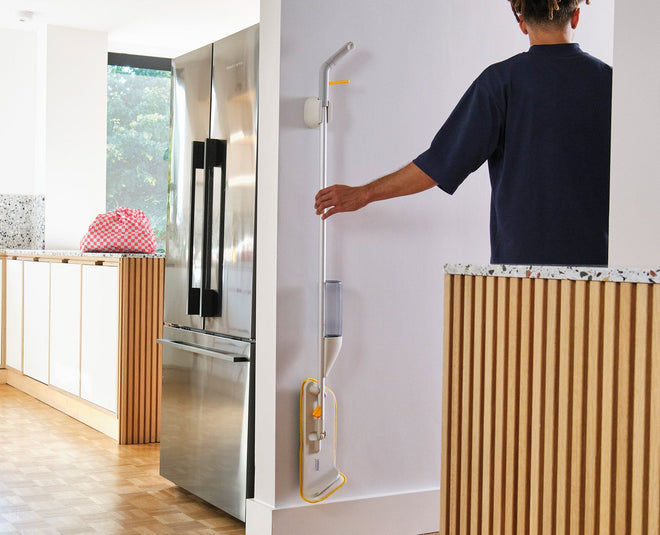
The CleanTech™ Wall Mounted Broom hides away on a wall when not in use too, so it’s a great choice for smaller homes and spaces.


-


CleanTech™ Wall-Mounted Dustpan & Brush Set
$20.00


-


CleanTech™ Wall-Mounted Broom
$32.00


Consider different mop types
There are now many different types of mop on the market, from the old-fashioned string mop and bucket, to microfiber mops, spin mops, sponge mops and even spray mops.
If it is all feeling a bit overwhelming, allow us to help you choose by explaining the attributes of each:
- The old-fashioned mop and bucket distributes large amounts of water and can cover large surface areas, but typically is a rather unhygienic method because the mop gets reintroduced to the dirty water multiple times during a clean.
- Microfiber mops are quick and efficient and great for smaller spaces, and are also more hygienic as you can remove the microfiber pads and wash them between uses.
- A self-cleaning mop, such as UltraClean, is a powerful new kind of mop that deposits dirty water in a separate reservoir so that you are mopping with clean water every time. It’s the first of its kind, and is an especially hygienic and satisfying way to mop.
- Spin mops are similar to old-fashioned mop and buckets but with a spinning mechanism to reduce the amount of water that the mop is holding. These suffer from the same hygiene issues as string mops.
- Sponge mops are similar to microfiber mops but with a bit more padding, but they are harder to clean as they can’t always be placed in the washing machine like a microfiber mop can.
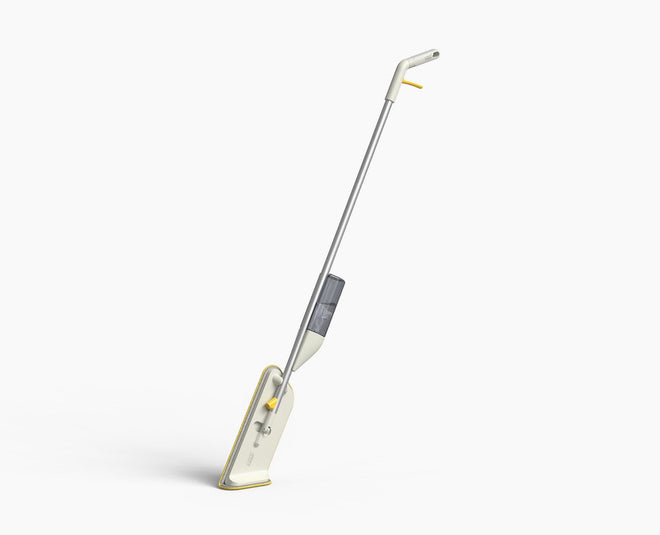
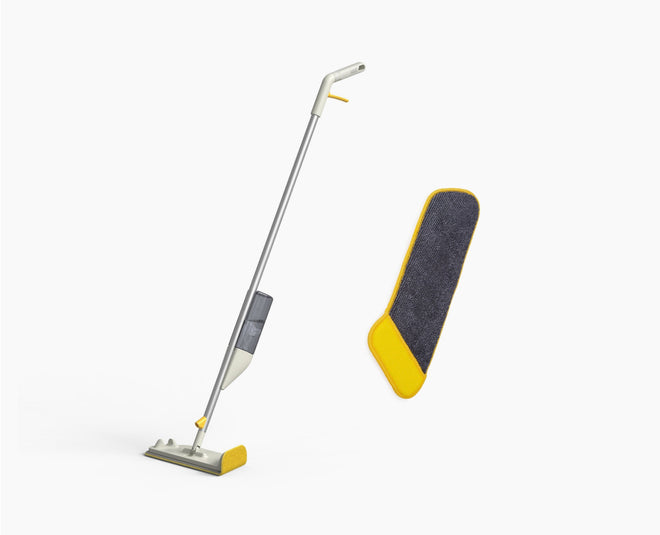
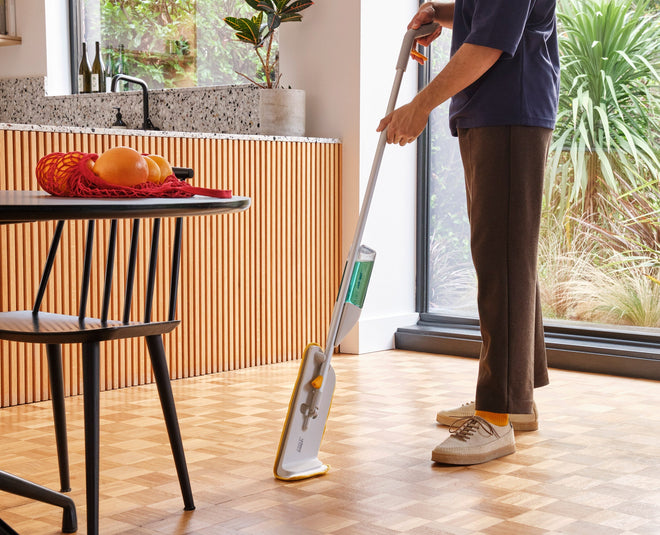
- Spray mops, such as the Joseph Joseph CleanTech™ 2-in-1 Spray Mop – which have built-in mechanisms to easily apply cleaning detergents – are brilliant for mopping up spills and for reaching areas underneath cabinets and tables that other mops struggle to get to.


Match the mop to your floor type
When you’re choosing a mop, it’s important to think about the floor type you’re cleaning, and also about what mop head will best suit your lifestyle. The best mop for all floors is UltraClean, our revolutionary system that separates out dirty water, so you can mop with clean water every time. It is designed for use on all hard floors and has an all-access rotating mop head to get right into corners and under furniture. The two-tank system results in a hygienic and effortless cleaning experience, and a visually satisfying collection of dirt as you work.
If you have hardwood floors, UltraClean is a great option as its SprayClean™ technology doses the optimal amount of water onto the mop head, so the wood can dry quickly after mopping.
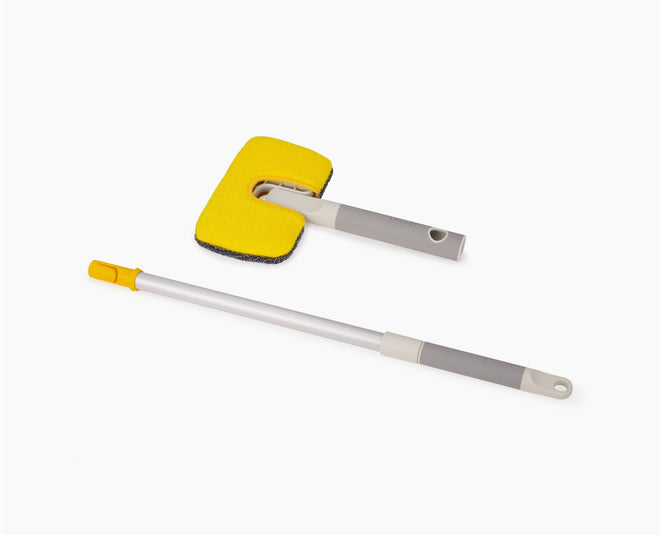
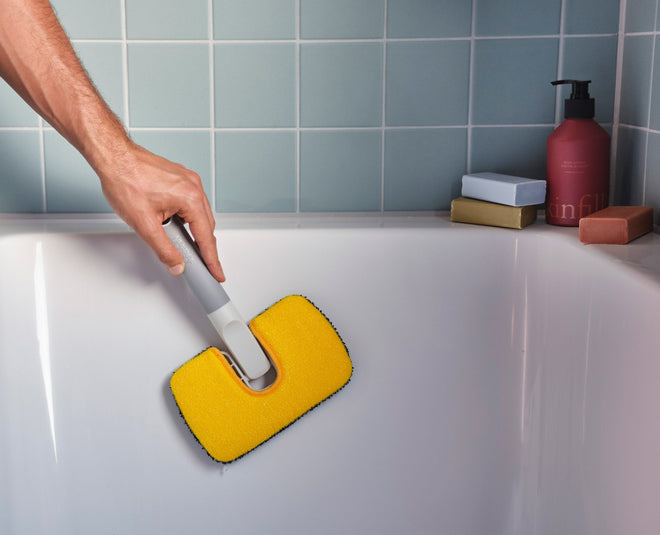
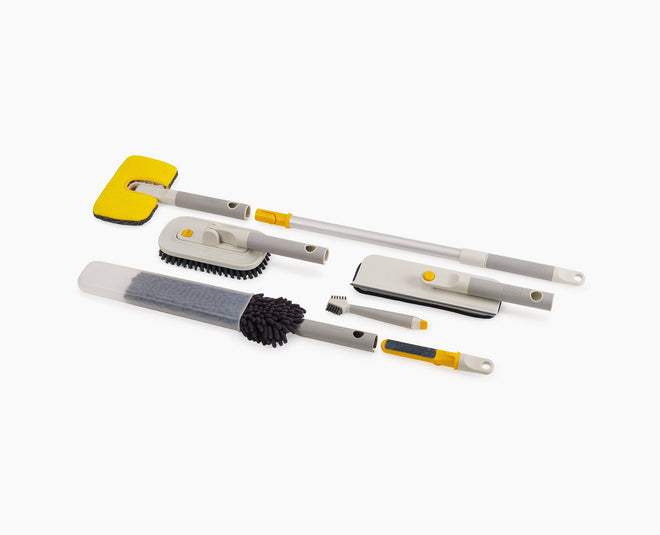
If most of your floors are laminate, linoleum, vinyl or polished tiles, a microfiber mop will be an excellent way to clean them. It’s also worth thinking about our CleanTech™ 6-piece Tool Set which has a 2-in-1 Surface Scrubber with an abrasive pad that gently lifts dirt from gloss tiles.
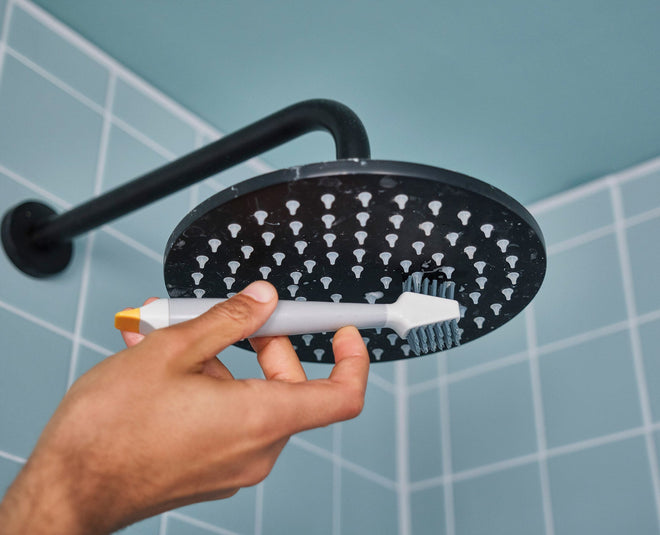
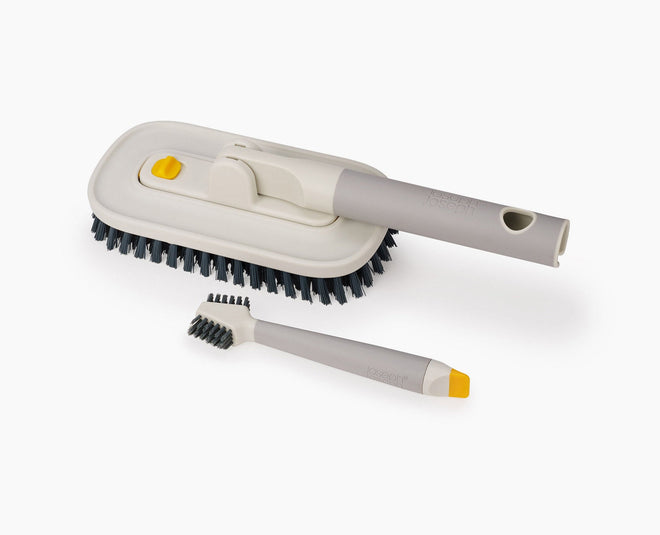
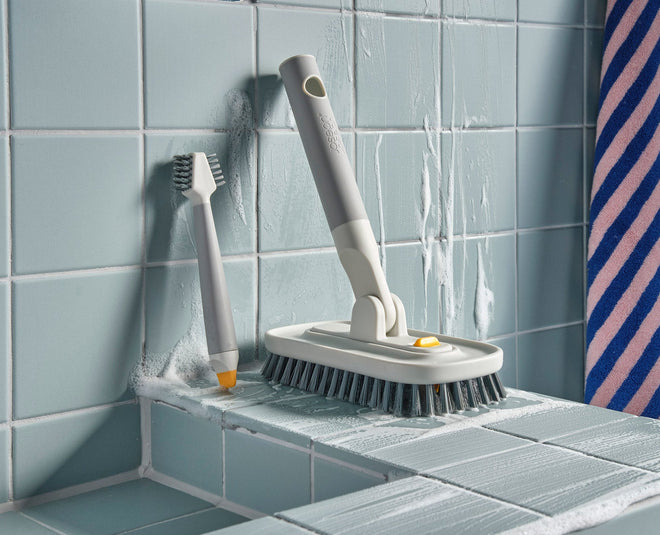
If your floors are made of stone or slate, or tiles with lots of texture, you might want to consider a water-proof stiff bristled brush such as our 2-in-1 Tile Scrubber Tool as part of your cleaning routine alongside your microfiber mop so that you can agitate any stains or dirt away.


-


CleanTech™ 6-Piece Cleaning Tool Set
$80.00


-


CleanTech™ 2-in-1 Tile Scrubber Tool with Extension Pole
$27.00


Think about ease of use
Will you be needing something that can take on heavy-duty cleaning, or is something light for everyday use and dusting sufficient? For low-effort, eco-friendly cleaning, a microfiber mop pad is brilliant as you can wash the pads between mops and get multiple uses out of them. For deeper cleaning, a brush tool alongside a mop is ideal to really work stains away. We don’t recommend string mops as they deposit too much water onto surfaces and they can be an unhygienic choice.
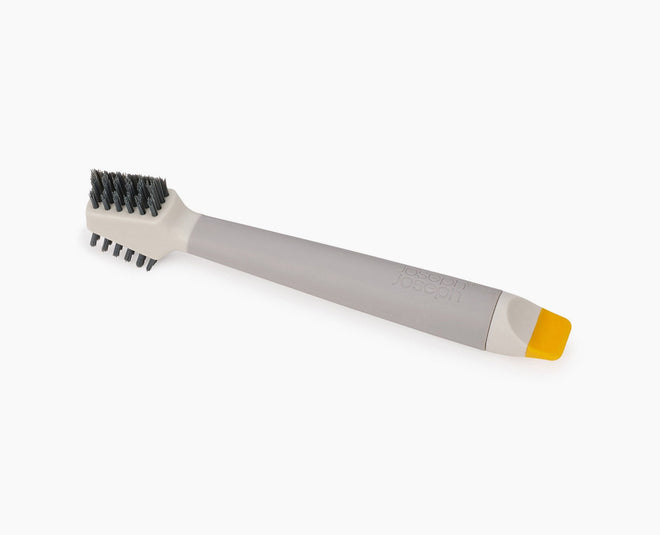
Cleaning grout is an important part of cleaning your floors, as dirty grout can detract from the sparkly look of your freshly cleaned tiles. A specialist tool, such as our 3-in-1 Spot Cleaning Tool with its V-shaped bristles, is ideal for cleaning up the grout between tiles.


Take into account your household needs
Busy households with pets and or children will know the importance of being able to clean up spillages or mop floors spontaneously (potty training parents, we see you). Households with allergies, or pets who shed a lot of hair will also need a mop that can be used often and speedily. An easy-access mop with a quick-drying microfiber cloth that gets wrung out is key.
FAQs about floor cleaning
Are microfiber mops better than string mops?
Microfiber mops are great for polished tiles, hard laminate floors and wooden floors because they deposit less water than string mops meaning that the drying time after mopping is much reduced. Microfiber mops are less good, however, on porous, natural materials like stone tiles or slate because their scrubbing capacity is not as powerful.
What type of mop is best for pet hair?
The best mop for hair is a microfiber mop, as these provide a good material for the hair to cling on to and are easy to clean because you can throw them in the washing machine on a hygiene cycle when you’re finished.
What type of mop is best for large areas vs small spaces?
The best mop for a large area is one that can hold a large quantity of water, such as the UltraClean. For smaller spaces, a microfiber spray mop can work wonders and eliminates the need for a separate bucket and refilling of water.
What's the difference between brushes, brooms and dustpans?
A brush is a small tool for precise cleaning and spillages, a broom is a brush with a long handle for cleaning larger areas, and a dustpan is a container that collects the dirt and detritus swept up by a brush or broom.
Which mop is easiest to wring out?
Self-wringing mops require less effort from the user as the device’s mechanism does the squeezing. Traditional string mops require more physical exertion and strong squeezing to wring them out.
Shop Products
$50.00
CleanTech™ 2-in-1 Spray Mop with Replacement Pad
$25.00
CleanTech™ 2-Piece Tile Scrubber & Spot Cleaning Tool Set
$23.00
CleanTech™ 2-in-1 Surface Scrubber Tool with Extension Pole
$48.00
CleanTech™ Wall-mounted Broom, Dustpan & Brush Set


$90.00
